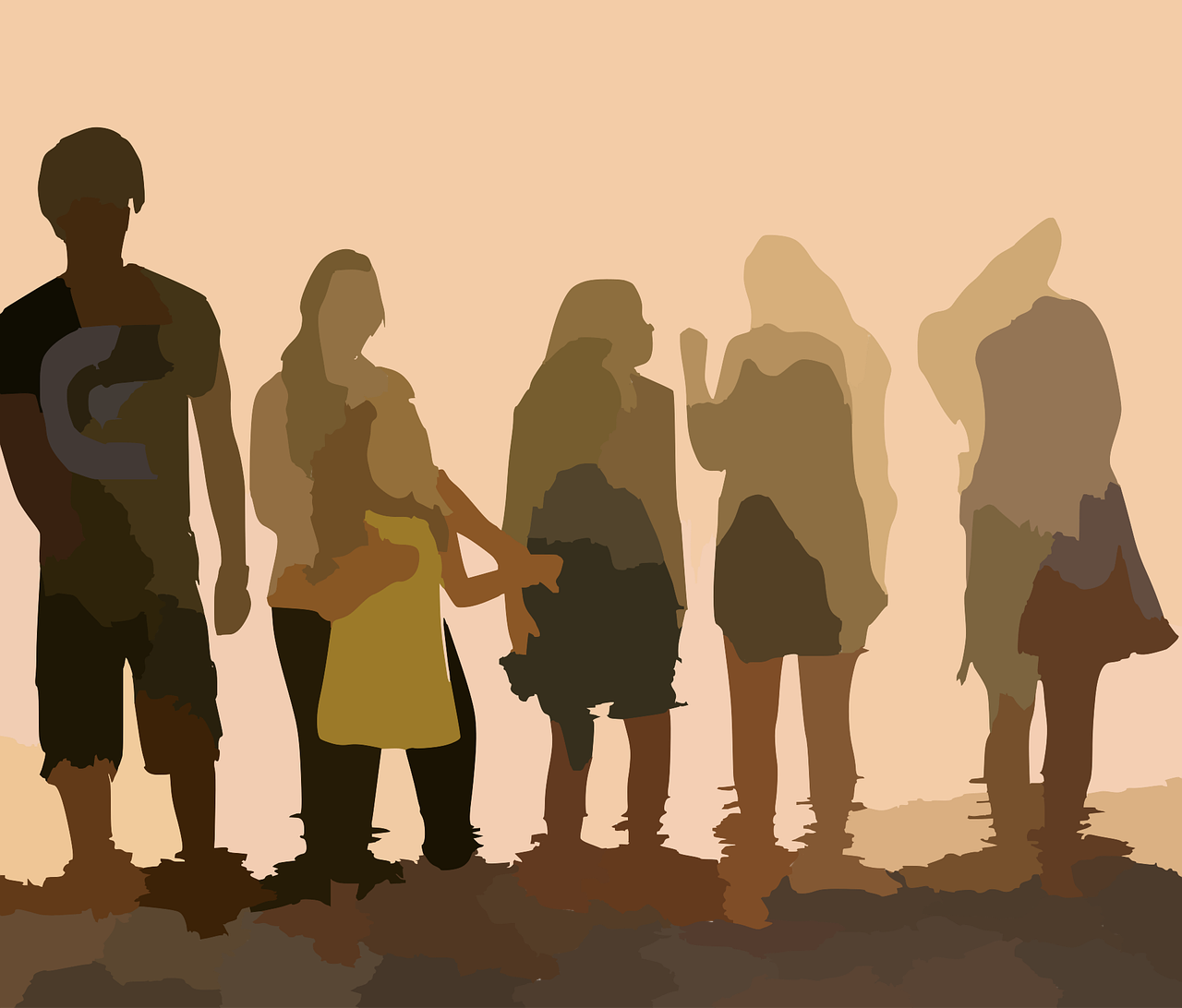
As adults, our role in the community extends far beyond simply navigating its daily challenges; we bear a collective responsibility to actively shape, improve, and protect the social and physical environments we share. Building a stronger, safer, and more inclusive community requires a combination of civic engagement, infrastructural awareness, social empathy, and digital responsibility.

Here is a detailed breakdown of the primary responsibilities we hold as adults to elevate our communities:
Actively Protecting and Supporting Vulnerable Populations
A community is often judged by how it treats its most vulnerable members—specifically, senior citizens, children, and individuals with disabilities. As adults, it is our responsibility to:
Provide Physical and Operational Support: As urban environments grow more complex and traffic becomes more chaotic, adults must act as physical guardians. This means offering a helping hand to elders or disabled individuals navigating broken pavements, crossing high-risk intersections, or managing public transport.
Combat Social Isolation: Transitioning social dynamics can alienate older generations. Taking the time to engage with elderly neighbors, check on their well-being, and ensure they have access to basic needs fosters a culture of communal safety.
Prevent Exploitation: Adults must act as a protective shield against the financial or physical exploitation of those who cannot easily defend or navigate for themselves.
Bridging the Digital Literacy Divide
With the rapid digitization of essential services—ranging from banking and regional payment platforms to civic registration (New Federal Systems) and utility management—a massive technical gap has formed.
Patient Guidance: Tech-literate adults have a responsibility to assist those who struggle with modern smartphone interfaces, digital transactions, or biometric authentication.
Protecting Digital Spaces: Beyond direct assistance, adults should promote digital safety within their circles, helping family and community members recognize phishing attempts, online scams, and misinformation.
Fostering Environmental Responsibility and Health Awareness
An improved community requires a clean, breathable, and sustainable ecosystem. Adults must take charge of localized environmental impacts:
Monitoring Environmental Hazards: We must stay informed about regional atmospheric changes, such as shifting Air Quality Indexes (AQI), dangerous seasonal smog, or extreme heatwave patterns.
Mitigating Local Pollution: Adults should lead by example by reducing personal waste, eliminating open trash burning (which severely spikes localized smog), conserving water, and participating in neighborhood tree-planting or clean-up initiatives.
Protecting Public Health: When environmental conditions deteriorate (such as toxic evening smog layers), adults are responsible for enforcing safety protocols within their households and neighborhood—ensuring vulnerable individuals wear masks, stay hydrated, or limit outdoor exposure when necessary.
Committing to Civic Mindedness and Public Courtesy
A better community relies heavily on the unwritten rules of mutual respect and public etiquette.
Responsible Driving and Traffic Etiquette: Chaotic road conditions are a major hazard in modern cities. Adults must model disciplined driving habits—respecting pedestrian crossings, adhering to traffic signals, avoiding aggressive high-beam usage at night, and refusing to park vehicles in ways that block pedestrian walkways or commercial access points.
Respecting Public Spaces: This involves keeping common areas, parks, and residential streets free of litter and commercial encroachments. Adults should actively discourage the defacing of public property and speak up when communal spaces are being misused.
Enhancing Collective Security and Vigilance
Safety is a shared asset. Relying solely on official law enforcement is often insufficient; true security begins with neighborhood cohesion.
Neighborhood Watch and Communication: Developing close relationships with neighbors establishes an informal safety grid. Sharing information about local security concerns, keeping an eye on vacant properties, and establishing reliable communication channels help deter street crimes like opportunistic theft or muggings.
Responsible Public Device Usage: Modeling safety also means practicing situational awareness. Adults should avoid walking through poorly lit areas or crowded spaces while completely distracted by their smartphones, as this not only compromises personal safety but can also inadvertently attract criminal elements to the immediate area, putting nearby community members at risk.
Mentoring and Investing in the Next Generation
The improvements we implement today can only be sustained if we pass these values down to the youth.
Leading by Example: Children and young adults learn more from observed behavior than from spoken instructions. Demonstrating patience, civic pride, charity, and respect for public infrastructure sets the standard for future generations’ behavior.
Creating Productive Outlets: Adults should support or establish local community centers, sports clubs, or educational workshops that keep young people constructively engaged, giving them a sense of ownership over the neighborhood they will eventually inherit.
Leave a thought 🤔 (0)
Be the first viewer to leave a thought!