
The rapid urbanization and infrastructural expansion across Pakistan’s major metropolitan hubs—such as Karachi, Lahore, and Islamabad—have brought modern conveniences. Still, they have also created an environment that is increasingly difficult for senior citizens to navigate alone. In a society transitioning from traditional joint family systems to nuclear setups, the safety and well-being of the elderly are frequently at risk.
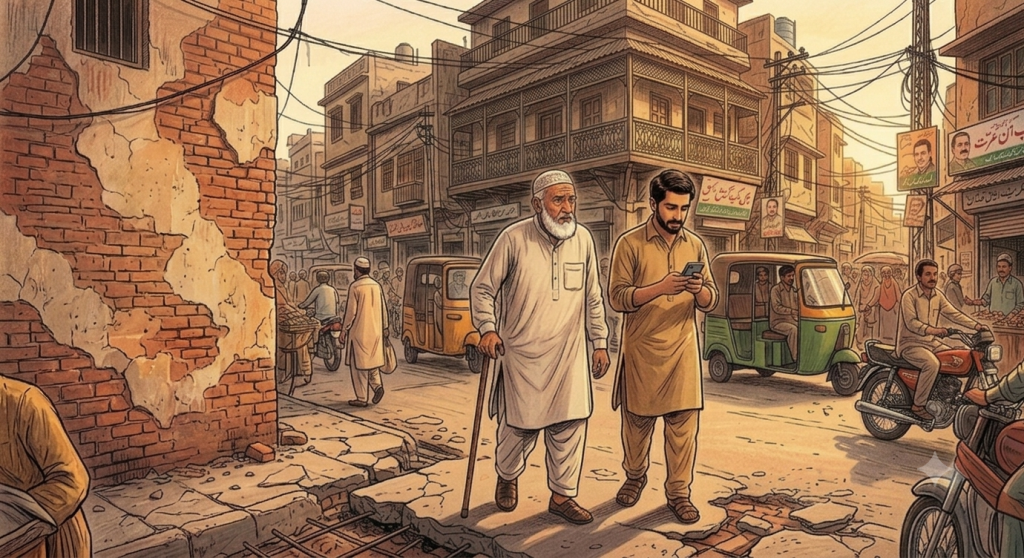
Ensuring that a capable adult accompanies senior citizens when they step out into Pakistani cities is no longer just a matter of traditional respect; it has become a structural and practical necessity.
Navigating Hazardous Urban Infrastructure
The urban infrastructure in most Pakistani cities is rarely built with accessibility in mind. Senior citizens face significant physical hurdles due to broken pavements, a lack of pedestrian ramps, and high curbs. Walkways are frequently obstructed by commercial encroachments, forcing pedestrians onto busy roads.
For an elderly individual with reduced mobility, poor balance, or compromised eyesight, crossing a street or even walking down a commercial lane can be hazardous. Having an adult companion provides the physical support necessary to navigate these structural gaps safely and prevents catastrophic falls or injuries.
The Chaos of Public Transport and Traffic
Traffic management in Pakistani metropolises is notoriously chaotic. Pedestrian crossings and traffic signals are routinely ignored, making road-crossing an intense and dangerous task for anyone with slower reflexes.
Furthermore, the public transport ecosystem—ranging from ride-hailing services to local buses and rickshaws—presents its own challenges. Boarding a high-stepped local bus or negotiating with drivers requires physical agility and assertiveness. An adult escort can manage the logistics of transport, handle communication with drivers, and ensure that the senior citizen boards and exits vehicles safely without being rushed by fast-moving traffic.
Digitization and Complex Administrative Barriers
From banking transactions to seeking healthcare, the administrative landscape in Pakistan has rapidly shifted toward digitization. While platforms like SadaPay, mobile banking apps, and automated biometric verification systems (like those mandated by NADRA) aim to streamline processes, they often alienate the older generation.
Seniors frequently struggle with digital interfaces, smartphone navigation, or automated kiosks. When visiting utility offices, banks, or hospitals, having a tech-literate adult present ensures that transactions are processed smoothly, biometric verification glitches are handled correctly, and the elderly are not left vulnerable to confusion or financial exploitation.
Vulnerability to Heatwaves and Environmental Stress
Environmental factors pose a severe threat to the health of senior citizens in Pakistan. Cities frequently battle extreme weather conditions, from intense heatwaves with soaring heat indices during the summer to severe smog and poor air quality index (AQI) levels during the winter.
Elderly individuals are significantly more susceptible to heatstroke, sudden dehydration, and acute respiratory distress. If a senior citizen is caught alone in extreme weather or a sudden traffic bottleneck, their health can deteriorate rapidly. An accompanying adult can monitor signs of physical distress, carry essential hydration or emergency medication, and make immediate decisions to seek shelter or medical attention.
Medical Emergencies and Cognitive Vulnerabilities
Age-related cognitive decline, such as dementia or Alzheimer’s, poses a serious risk when seniors travel alone. A minor lapse in memory can cause an elderly person to lose their bearings in a crowded marketplace or an unfamiliar residential sector.
In the event of a sudden medical emergency—such as a cardiovascular episode or a sudden drop in blood pressure—a senior citizen may be unable to call for help or communicate their medical history to bystanders. An adult guardian serves as an immediate advocate, capable of coordinating with emergency services, navigating hospital admission protocols, and providing vital health information to medical professionals without delay.
A Collective Responsibility
Pakistani culture has always taken great pride in respecting and caring for its elders. As cities grow larger and more complex, that care must manifest as active protection. Ensuring an adult accompanies senior citizens when navigating urban environments is a vital safeguard. It bridges the gap between an unforgiving urban landscape and the physical vulnerabilities of old age, ensuring that our seniors can engage with the city safely, with dignity, and with peace of mind.
Navigating major Pakistani cities after evening presents a magnified set of risks for both senior citizens and younger adults. Here is why avoiding unnecessary outdoor movement after dark is highly recommended:
Severe Visibility Gaps and Infrastructure Blindspots: Urban infrastructure challenges become significantly more dangerous at night. Street lighting across many residential sectors and commercial lanes in cities like Karachi, Lahore, and Islamabad can be highly inconsistent or absent during power-saving periods.
For Elders: Dim lighting makes it nearly impossible to spot broken pavements, open manholes, or sudden changes in curb height, drastically increasing the risk of severe falls.
For Yourself: When walking while distracted by a phone or attempting to navigate, unlit structural hazards or open construction patches become invisible traps.
High-Risk Traffic Conditions and Compromised Reflexes: Pakistani traffic dynamics shift aggressively after dark. Main arteries and commercial roads often experience speeding, commercial truck movement, and drivers navigating with poorly adjusted high beams or broken headlights.
Slower physical reflexes make it incredibly dangerous for a senior citizen to judge the speed of approaching vehicles across wide roads at night.
Even for younger adults, crossing streets safely becomes a gamble when drivers face visibility glare and pedestrian walkways are unlit.
Elevated Street Security Concerns: Safety considerations inevitably include crime patterns. Street crimes, such as mobile phone snatching, wallet theft, and opportunistic muggings, statistically spike during evening and nighttime hours in poorly lit or less crowded urban spaces.
Carrying a smartphone out in the open for navigation or communication after dark turns you and any accompanying family member into an immediate target for street criminals.
Rapid Environmental Degradation (Smog & Climate Change): Depending on the season, atmospheric conditions deteriorate rapidly, and do not forget the ongoing climate change; the weather can go from good to bad at any time of the day.
Winter Smog Layers: During late autumn and winter, the Air Quality Index (AQI) in cities like Lahore and Islamabad plummets significantly after sunset. As temperatures drop, a thick layer of toxic smog settles close to the ground. Breathing this heavily concentrated air during evening walks can trigger acute respiratory distress, particularly in senior citizens.
Summer Heat Retaliation: Even during the peak of summer, concrete structures and asphalt roads radiate trapped heat long into the night, keeping the local heat index dangerously high and causing sudden dehydration or heat exhaustion without direct sunlight.
Delayed Medical and Emergency Access: Should a medical emergency occur—such as a sudden cardiovascular episode, respiratory panic, or a physical injury from a trip—coordinating a rescue after hours is far more complicated. Traffic bottlenecks around commercial hubs during evening rush hours can trap vehicles, and finding immediate assistance from bystanders becomes less reliable as streets clear out later in the night.
Leave a thought 🤔 (0)
Be the first viewer to leave a thought!