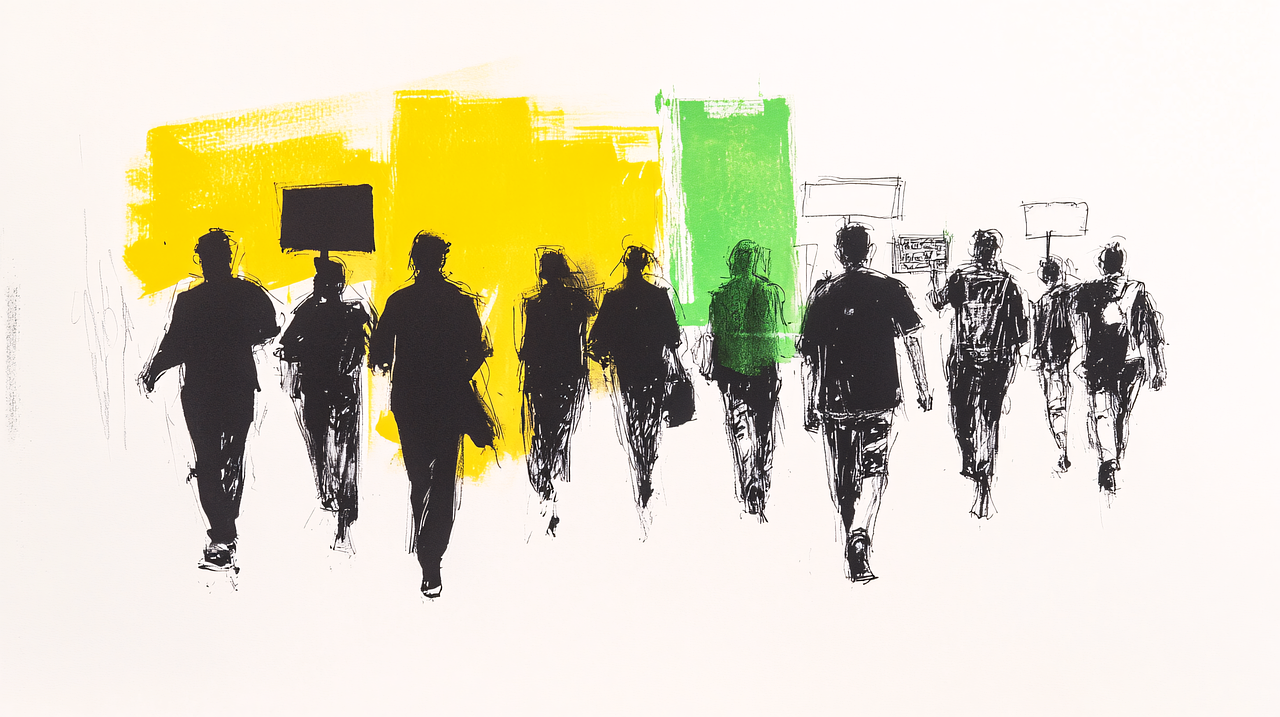
While political rights give you the power to vote, social rights ensure you have access to clean water, education, healthcare, fair wages, and protection from discrimination.
Most of these rights are deeply embedded in the 1973 Constitution of Pakistan (specifically in Chapter 1: Fundamental Rights and Chapter 2: Principles of Policy), as well as in various provincial laws enacted after the 18th Constitutional Amendment.
Here is a detailed guide to knowing, understanding, and asserting your social rights in Pakistan.
1. The Right to Free and Compulsory Education
Under Article 25-A of the Constitution, education is no longer just a privilege—it is a fundamental right.
- The Law: The state is constitutionally mandated to provide free and compulsory education to all children aged 5 to 16 years.
- What it means for you: Public schools cannot deny admission to a child within this age bracket based on their inability to pay tuition fees. Provinces have passed specific acts (like the Sindh Right of Children to Free and Compulsory Education Act) to enforce this.
2. Gender Equality and Women’s Rights
Pakistan’s legal framework strongly prohibits gender-based discrimination and protects women’s social and economic participation.
- Equality Before Law (Article 25): Guarantees that all citizens are equal before the law and there shall be no discrimination based on sex alone. It also allows the state to make “special provisions” to protect women and children.
- Protection Against Harassment: The Protection Against Harassment of Women at the Workplace Act makes it mandatory for every organization (public and private) to establish an inquiry committee to address harassment complaints.
- Inheritance Rights: Under Islamic jurisprudence and Pakistani civil law, women have a legal right to inherit property from parents and husbands. Forcing a woman to surrender her inheritance (a common cultural malpractice) is a criminal offense under Section 498A of the Pakistan Penal Code (PPC).
3. Labor and Workplace Rights
If you are employed in Pakistan, you are protected by a robust set of labor laws designed to ensure safe conditions and fair treatment.
- Prohibition of Forced Labor (Article 11): Slavery and all forms of forced labor (such as bonded labor in brick kilns or agriculture) are strictly prohibited. Child labor (under the age of 14) in factories or mines is illegal.
- Right to Form Unions (Article 17): Every citizen has the right to form associations or unions to collectively bargain for better working conditions.
- Minimum Wage: Every province sets a legal minimum wage. Employers paying less than the government-notified minimum wage can be prosecuted under provincial minimum wage acts.
4. Rights of Minorities and Religious Freedom
Pakistan is home to diverse religious communities, and their social protections are safeguarded by the state.
- Freedom of Religion (Article 20): Every citizen has the right to profess, practice, and propagate their religion, and every religious denomination has the right to establish and maintain its institutions.
- Protection of Holy Places: The state is responsible for safeguarding the places of worship of non-Muslim citizens.
- Employment Quotas: There is a mandatory 5% employment quota for minorities in federal and provincial government jobs to ensure social mobility and representation.
5. Rights of Persons with Disabilities (PWDs)
The social inclusion of differently-abled individuals is protected by federal laws and localized provincial acts (such as the Sindh Empowerment of Persons with Disabilities Act).
- Employment & Accessibility: The law mandates a 3% to 5% job quota for PWDs in both public and private sectors.
- Institutional Support: PWDs are entitled to special concessions, including discounted public transport, free medical treatment in government hospitals, and specialized accessible infrastructure in public buildings.
6. Social Security and Healthcare
While Pakistan does not have a universal welfare state model, the Constitution sets the blueprint for social safety nets under the Principles of Policy (Article 38).
- Social Safety Nets: Programs like the Benazir Income Support Programme (BISP) provide targeted financial assistance to underprivileged women and families.
- Universal Health Insurance: Initiatives like the Sehat Sahulat Program (Sehat Card) provide free-of-cost hospitalization and medical treatments to millions of families across various provinces, bridging the gap to healthcare access.
How to Assert and Protect Your Social Rights
Knowing your rights is only the first step; knowing where to go when they are violated is what creates real empowerment.
| Issue / Violation | Relevant Authority / Forum |
| Human Rights Violations & Discrimination | National Commission for Human Rights (NCHR) — A federal body that takes up cases of marginalization, police excesses, and systemic discrimination. |
| Workplace Harassment | Provincial Ombudsperson (Mohtasib) Offices or your company’s internal Harassment Committee. |
| Labor Exploitation & Wage Theft | Provincial Labor Courts and District Labor Inspectorates. |
| Women’s Rights Violations | National/Provincial Commissions on the Status of Women (NCSW) or local police protection cells. |
| Fundamental Rights Infringement | Filing a Public Interest Litigation (PIL) or Writ Petition under Article 199 in the High Courts of Pakistan. |
A Note on Legal Aid: If you cannot afford a lawyer to fight for your social rights, organizations like the Legal Aid Society (LAS), Asma Jahangir’s AGHS Legal Aid Cell, and the Human Rights Commission of Pakistan (HRCP) provide free legal assistance to marginalized communities.
Leave a thought 🤔 (0)
Be the first viewer to leave a thought!